
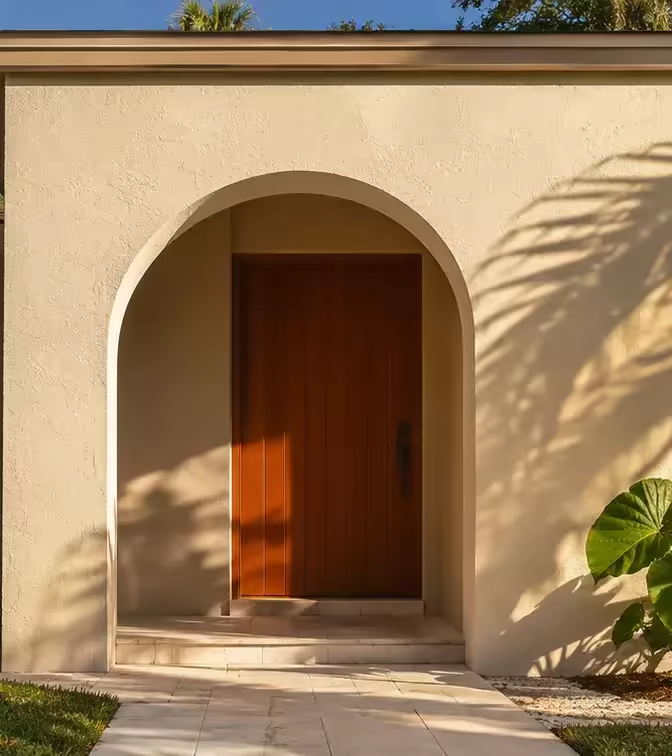
Port St. Lucie, Florida
Exterior stucco
repair & refinishing.
From a patch around a new window to a fresh finish across your whole home.
Residential services
What does your wall need?
Start with the area you want to change. Each service explains what to photograph and what to include in the estimate. Palm Stucco works on residential exteriors in Port St. Lucie, from a single patch to a full re-stucco. In 2026, many Port St. Lucie homes built during the 1990s and 2000s are reaching the age where the original stucco finish starts to show its years — hairline cracks at the corners of windows, patches from earlier repairs, and surfaces that have weathered unevenly in the Florida sun. Most of that work begins with one of the three services below.
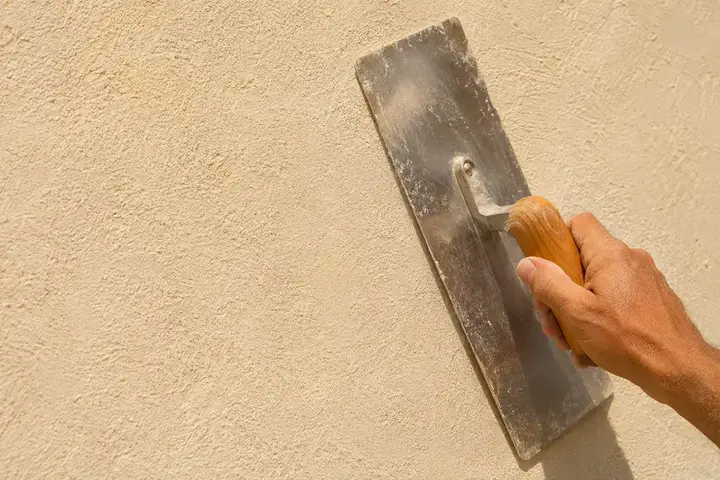
Stucco repair & matching
Cracks, chipped corners and old patches, matched to the texture already on your home.
View service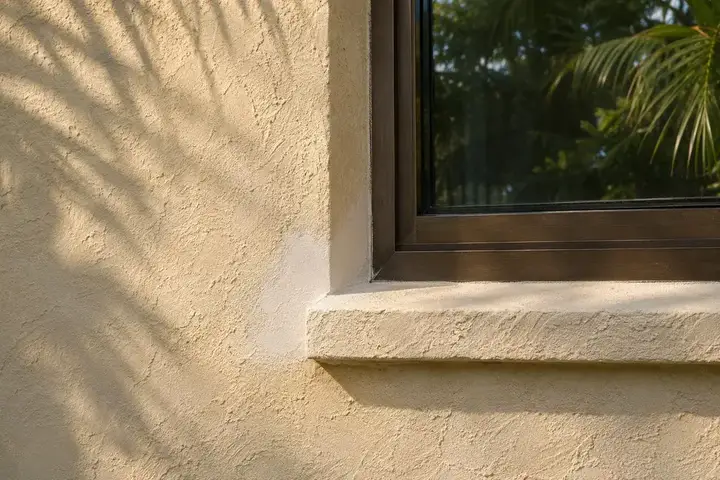
Window & door patching
Patching unfinished edges and visible repairs around replacement windows and doors.
View service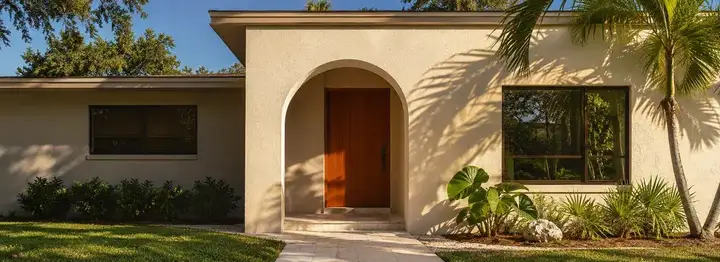
Whole-home re-stucco
A new texture across one elevation or a whole home, including finish changes.
View serviceFinish guide
See the texture
up close.
Compare three exterior finishes in side light. Select a sample to see what changes when you look closer. The finish you choose changes how the whole wall reads in daylight, so compare the grain up close before you decide.
Discuss this finish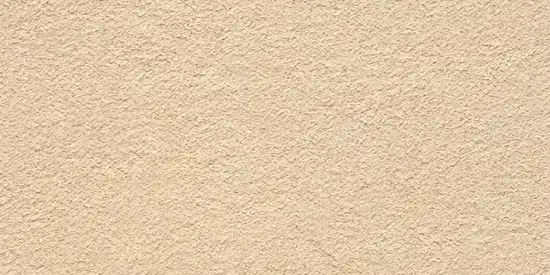
Fine sand
An even, finely grained finish. Matching a repair starts with comparing the size and density of the existing grain. Fine sand is a common choice for repairs because its even grain is easier to blend into an existing wall.
Estimate guide
Before the
walkthrough.
Three questions that help define the scope of an exterior stucco job. Reading them before the walkthrough helps the visit focus on measuring, matching and planning the work itself.
At the walkthrough, the existing surface is checked up close: how the old finish is bonded, where cracks repeat, and how the texture changes across each wall. Openings, wall height and access are measured, and the finish options are compared against the grain already on the home, so the estimate reflects the wall as it actually stands.
Start your requestWhat should I send for an estimate?
A close-up shows the existing texture. A photo from across the yard shows wall size, access and where the damage sits. If you have no photos, describe the area in the request. Photos can be attached to the estimate request itself, and two views — one close, one wide — are usually enough to start. If the damage is near a window or door, include that edge in the wide shot.
Can the new stucco match my old finish?
Start by comparing the grain, the pattern and how the wall looks in daylight. Paint color is a separate choice. Include any existing paint information and ask what part of the wall will be painted. Matching is judged in daylight, against the undisturbed texture beside the repair. Paint is matched separately from the stucco texture, and the estimate will say which parts of the wall are included. Before any material goes on, a small test area can be worked and left to dry, because wet stucco reads darker and finer than the cured finish beside it. Judging the match dry, in full daylight, is what keeps a patch from showing later.
How is a single patch priced differently from a full exterior?
The area of damage, preparation, number of openings, wall height, access and finish all affect scope. A full exterior also needs an assessment of the existing surface before a finish system can be selected. A patch is scoped around the damaged area and the openings it touches. A full exterior adds surface preparation across every elevation, plus access, wall height and the finish system selected for the home. That assessment follows the same standards that govern stucco work generally: ASTM C926 covers the application of portland cement-based plaster, and ASTM C1063 covers the lathing and furring it is applied over. Both are published standards any homeowner can look up, and they shape how preparation and application are scoped.